
In a landmark breakthrough, the Federal Government and the Academic Staff Union of Universities (ASUU) have signed a comprehensive agreement aimed at permanently addressing the long-standing issues of poor welfare, funding shortfalls, and recurring strikes that have plagued Nigeria’s public universities for decades.
The deal was sealed on Tuesday, January 14, 2026, following months of intensive negotiations mediated by the Minister of Education, Prof. Tahir Mamman, and witnessed by key stakeholders including the Minister of Labour and Employment, Prof. Simon Lalong, and representatives of the National Universities Commission (NUC).
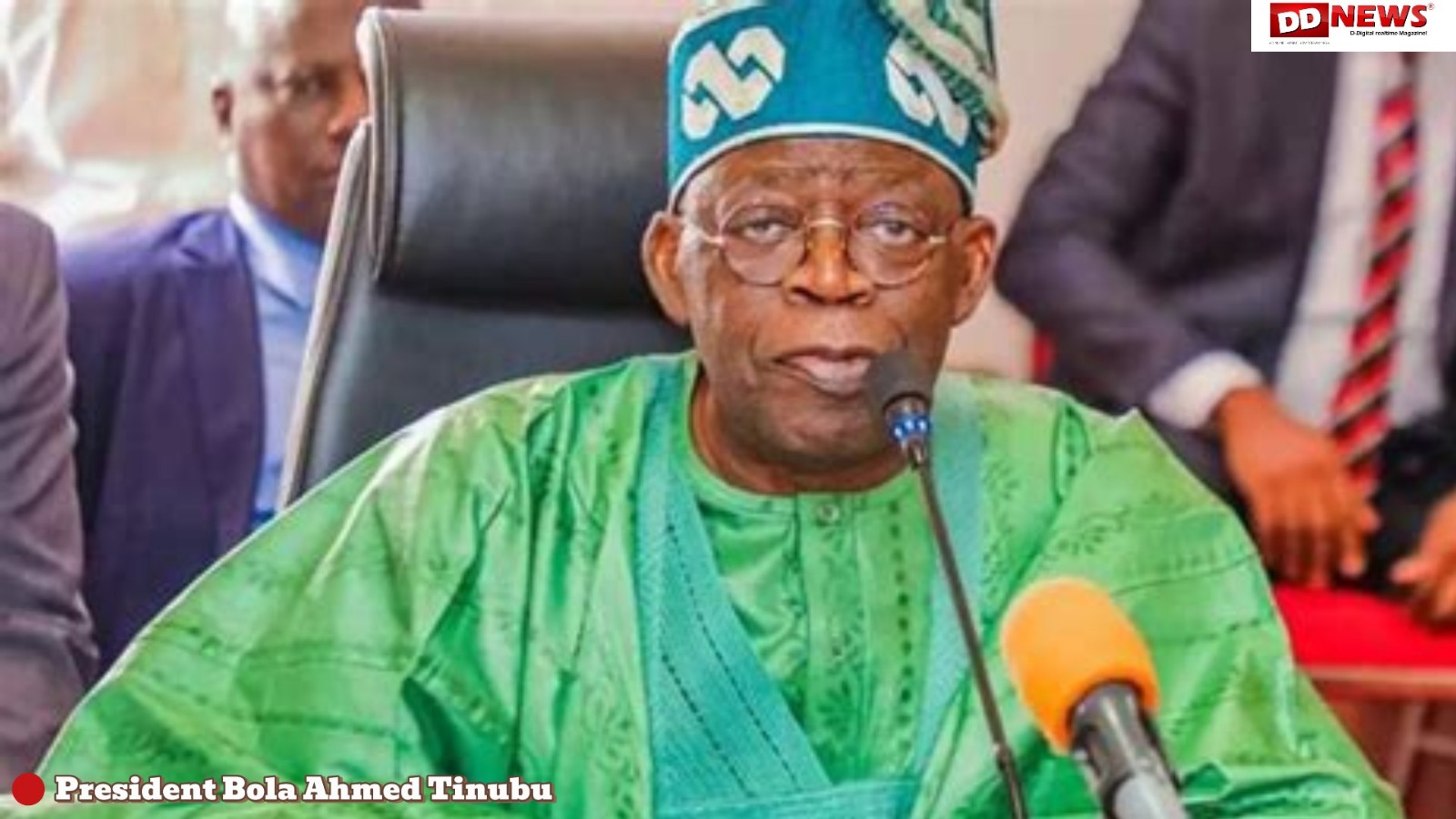
President Bola Ahmed Tinubu described the agreement as “a new dawn for Nigerian education,” pledging full implementation to restore stability, improve teaching and learning conditions, and attract the best brains back to the nation’s ivory towers.
Key Highlights of the Historic Agreement
Salary Review & Arrears: Immediate implementation of the 2009 FGN-ASUU agreement on salary increments, with outstanding arrears (including withheld salaries from 2022) to be cleared within 90 days.
Earned Academic Allowances (EAA): Payment of accumulated EAA worth over ₦200 billion to be disbursed in tranches starting February 2026.
University Autonomy & Funding: Commitment to release revitalisation funds of ₦1.3 trillion over four years for infrastructure, laboratories, and research, with quarterly disbursements monitored by a joint committee.
No More Strike Clause: ASUU agreed to a binding “no strike” period of 36 months, with automatic activation of the agreement’s dispute resolution mechanism in case of any breach.
Promotion & Career Progression: Streamlined promotion processes, removal of bottlenecks, and establishment of a national committee to address stagnation and irregular promotions.
CONUASS Implementation: Full adoption of the Consolidated University Academic Salary Structure (CONUASS) with enhanced allowances for teaching, research, and supervision.
ASUU President Prof. Emmanuel Osodeke hailed the agreement as “a victory for Nigerian students and the future of the nation,” stating that the union had secured “most of our demands” and would now focus on monitoring implementation.
The deal ends a cycle of strikes that saw universities shut for over 1,500 days between 2000 and 2025, disrupting the academic calendar and contributing to brain drain.
Students’ unions, parents, and civil society groups welcomed the development, describing it as “long overdue” and a “win for the Nigerian child.”
By Ogungbayi Beedee Adeyemi
Send tips to: adeyemi@ddnewsonline.com | 08168555497
98WIN – Nền tảng cá cược trực tuyến uy tín hàng đầu, nơi hội tụ kho trò chơi đa dạng từ casino, thể thao đến các game giải trí hấp dẫn. Tham gia ngay hôm nay để khám phá những trải nghiệm khác biệt, tận hưởng dịch vụ chuyên nghiệp và cơ hội nhận về vô số phần thưởng hấp dẫn dành riêng cho bạn!
Backbiome is an advanced daily wellness supplement formulated to help support spinal comfort, reduce feelings of built-up tension, and promote freer, smoother movement throughout backbiome everyday life.