
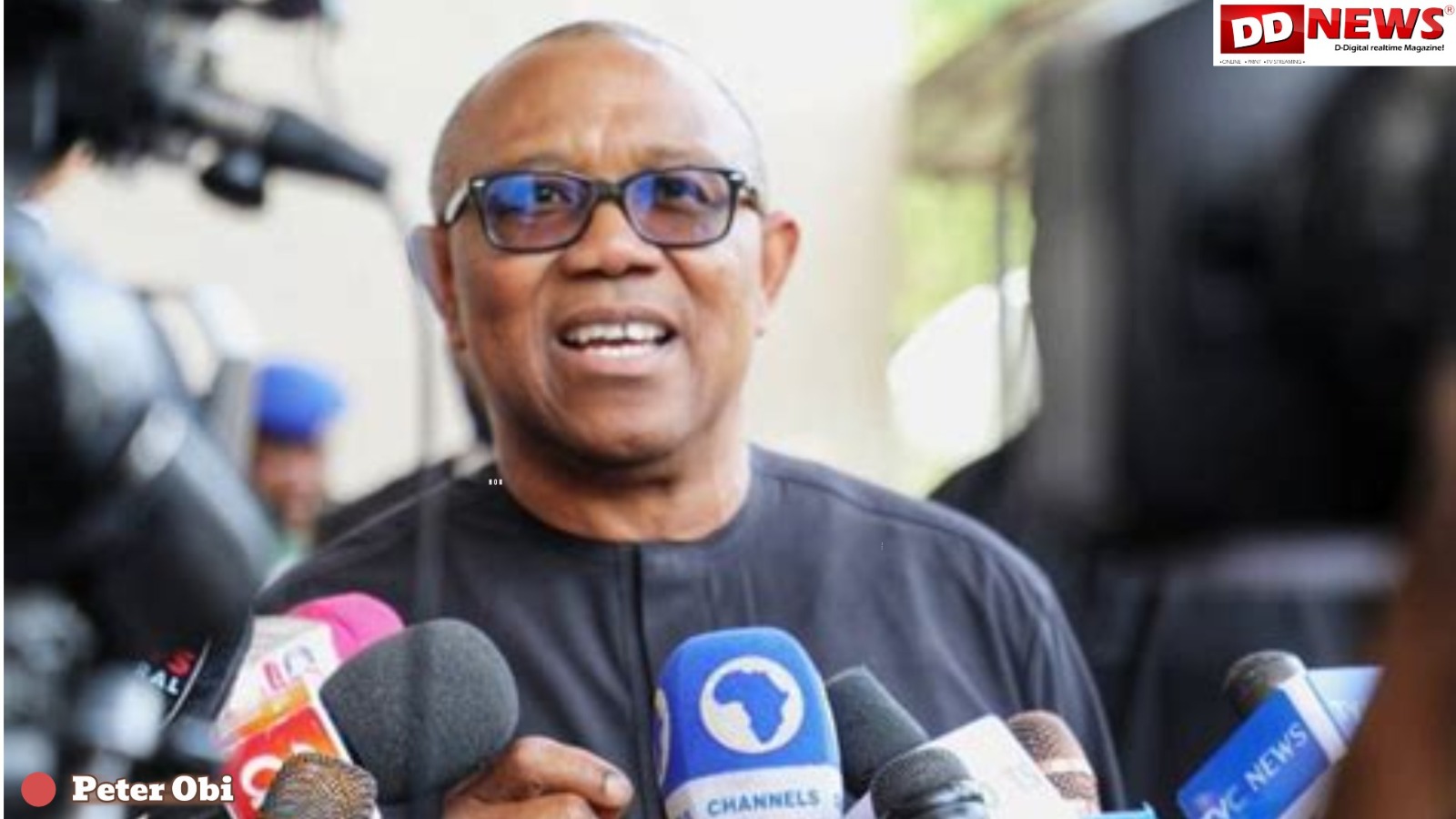
Former Labour Party presidential candidate Peter Obi has raised fresh alarm over Nigeria’s rising debt profile, describing the current borrowing pattern as a classic case of “debt without growth” that fails to deliver tangible economic progress.
In a detailed post on X (formerly Twitter) on Tuesday, February 24, 2026, Obi cited recent World Bank data showing Nigeria as the third-largest debtor to the International Development Association (IDA), with outstanding obligations estimated at $18.7 billion trailing only Bangladesh ($23 billion) and another borrower.
Follow DDNewsOnline on Facebook For More Breaking News
“There’s nothing inherently wrong with borrowing. Nations borrow to improve productivity and stimulate growth,” Obi wrote. “Debt becomes a problem only when it finances consumption, inefficiency, or corruption rather than investment.”
Stark Comparison with Bangladesh Obi drew a sharp contrast between Nigeria and Bangladesh over the past decade (2015–2025): Bangladesh GDP rose from ~$195 billion to between $460–500 billion, with per-capita income climbing to approximately $2,700.
Nigeria Nominal GDP fell from ~$490 billion in 2015 to below $250 billion today, with per-capita income dropping to roughly $850–$1,000.
Manage Your Business Digitally With D-Degree Digital Hub Today Visit D-Degree Digital Hub
He attributed Nigeria’s stagnation to weak productivity, structural inefficiencies, currency instability and pervasive corruption, while noting that Bangladesh leveraged external financing to expand its export base, manufacturing sector and living standards.
Nigeria’s IDA Debt Surge The World Bank’s latest figures show Nigeria’s IDA exposure grew by $1.9 billion in 2025 alone an 11% increase in a single year reflecting heavy reliance on concessional loans amid revenue shortfalls and fiscal pressures.

Subscribe To The Best Team In Conservative, Business, Technology, Lifestyle And Digital News Realtime! support@ddnewsonline.com
While IDA loans offer low or zero interest and long repayment periods, Obi and many economists argue that Nigeria’s rising debt-to-GDP ratio and mounting debt service costs threaten fiscal space for critical sectors such as education, health and infrastructure.
Check out – Discover How to work and Earn with Dailyhustle
Broader Critique of Borrowing Patterns Obi referenced the federal government’s proposed ₦18 trillion borrowing plan for the 2026 budget, warning that high debt servicing obligations are already crowding out social spending and threatening long-term stability.
He concluded: “A new Nigeria where loans, if taken, will translate into productivity instead of consumption is very much possible. We must prioritise strategic investment, stronger institutions and accountability in public finances.”
For Breaking News And More Follow Us On Instagram
The statement has reignited debate over debt sustainability, with opposition figures and civil society groups echoing Obi’s call for greater transparency and productive use of borrowed funds, while some government supporters defend the loans as necessary for infrastructure and economic recovery.
By Ogungbayi Beedee Adeyemi
Send tips to: adeyemi@ddnewsonline.com | 08168555497
QQ88 khẳng định đẳng cấp với hệ thống cá cược hiện đại, tỷ lệ kèo hấp dẫn, thưởng minh bạch. Trải nghiệm mượt mà trên mọi thiết bị, hỗ trợ tận tâm 24/7.
Backbiome is an advanced daily wellness supplement formulated to help support spinal comfort, reduce feelings of built-up tension, and promote freer, smoother movement throughout backbiome everyday life.
Slot 3D tại 188v mang đến trải nghiệm điện ảnh thực thụ: hình ảnh sắc nét, cốt truyện cuốn hút, hiệu ứng tương tác cao. TONY06-05