
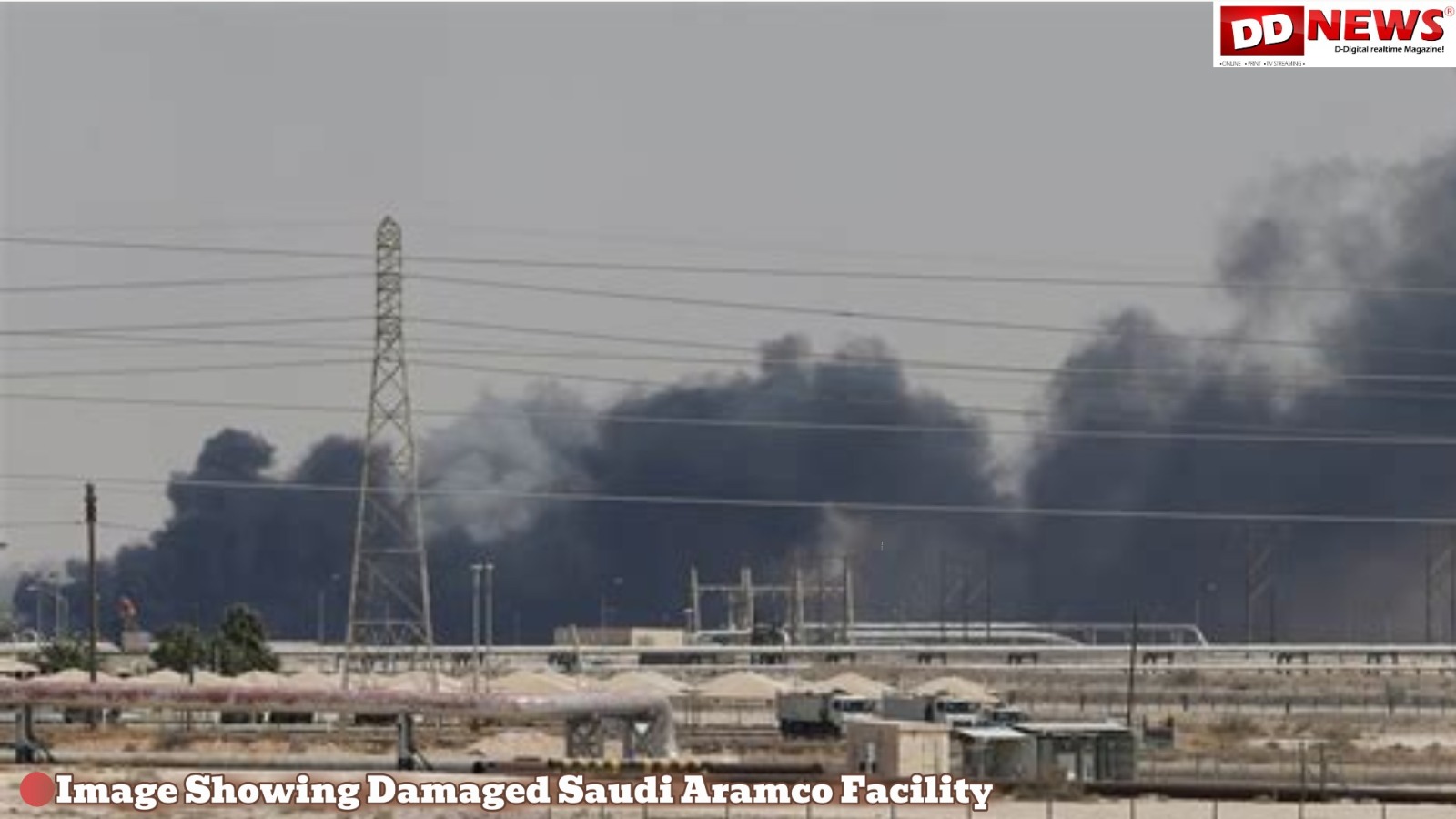
Freight rates for supertankers carrying crude oil from the Persian Gulf have surged to record levels in the past 48 hours as escalating military conflict between Iran, the United States, and Israel has effectively paralysed commercial tanker traffic through the Strait of Hormuz, the world’s most critical oil chokepoint.
Shipping data compiled by leading brokers and intelligence providers show Very Large Crude Carrier (VLCC) spot rates from the Arabian Gulf to China reaching $150,000–$180,000 per day levels not seen since the 2022 Russia-Ukraine invasion and the 2019 tanker attacks with some fixtures reportedly trading above $200,000/day in the physical market.
Follow DDNewsOnline on Facebook For More Breaking News
The Strait of Hormuz, which normally handles about one-fifth of global seaborne crude oil and one-third of liquefied natural gas (LNG), has seen a near-total halt in commercial transits since Tuesday, February 18, 2026. Iranian Revolutionary Guards have repeatedly threatened to close the waterway, while U.S.-led coalition naval assets have increased patrols, creating a high-risk environment that most charterers are unwilling to accept.
Iranian retaliation: Following U.S. and Israeli strikes that reportedly killed Iran’s Supreme Leader, Tehran launched missile and drone barrages targeting coalition military sites, oil infrastructure, and diplomatic compounds in Saudi Arabia (including the U.S. embassy in Riyadh), Bahrain, UAE, Oman, and Qatar.
Follow And Like Us On Tiktok
QatarEnergy production halts: On Tuesday, QatarEnergy announced the suspension of liquefied natural gas (LNG) production and downstream products (urea, polymers, methanol, aluminum) after Iranian strikes hit two gas processing plants. The decision has tightened global LNG supply and added upward pressure on energy freight.
Rerouting around Africa: Tankers avoiding the Strait are now taking the long route via the Cape of Good Hope, adding 10–14 days to voyages and increasing fuel costs by 30–40%.
Insurance & War Risk Premiums: Hull & machinery war risk premiums for Gulf voyages have jumped to 2–3% of hull value (from <0.5% pre-crisis), while P&I clubs have imposed additional premiums or exclusions.
For Breaking News And More Follow Us On Instagram
Vortexa & Kpler analysts: “We are witnessing one of the sharpest freight spikes in modern history. If the Strait remains closed or high-risk for more than 7–10 days, daily VLCC rates could test $250,000+ levels last seen during the Iran-Iraq Tanker War.”
Goldman Sachs & JPMorgan: Brent crude could average $130–$150/barrel in a prolonged disruption scenario, with global inflation risks rising sharply.
IEA & OPEC+: Emergency stock releases and production adjustments are being discussed, but no formal decision has been announced.

Subscribe To The Best Team In Conservative, Business, Technology, Lifestyle And Digital News Realtime! support@ddnewsonline.com
Follow Us On Youtube
Global Market Snapshot (as of Friday, February 14, 2026 close)
Brent crude: $118.40/barrel (+11.8% week-to-date)
WTI crude: $114.90/barrel (+12.4%)
LNG Japan/Korea Marker: $18.50/MMBtu (+22%)
VLCC Gulf–China spot rate: $165,000–$185,000/day (multi-year high)
The U.S. State Department has maintained its Level 4: Do Not Travel advisory for the entire Middle East, while several shipping associations have advised members to avoid the Strait until further notice.
This is a rapidly evolving crisis with profound implications for global energy security, inflation, and maritime trade.
DDNewsOnline – Lagos
By Ogungbayi Beedee Adeyemi
Send tips to: adeyemi@ddnewsonline.com
09164987165 / 08168555497
Sustainability matters in the CBD https://www.cornbreadhemp.com/collections/thc-drinks sector. Ethical brands champion regenerative farming practices, eco-friendly packaging, and moral supply chains. Hemp itself is a extraordinarily sustainable crop — it grows fast, requires scant water, and naturally enriches soil. By backing companies committed to environmental conservation, consumers support not only their personal health but also the enduring well-being of the earth we all occupy.
Backbiome is an advanced daily wellness supplement formulated to help support spinal comfort, reduce feelings of built-up tension, and promote freer, smoother movement throughout backbiome everyday life.
Chơi giải trí tại 66b triều khúc khá vui, có nhiều lựa chọn khác nhau để thử. TONY09-03
Sau vài hôm trải nghiệm 888slot , mình thấy hệ thống khá ổn định. TONY09-08