

By Ogungbayi Adeyemi S. | adeyemi@ddnewsonline.com
Editor, DDNews |
In a city as diverse and dynamic as Lagos, respect for the indigenous people and their rich cultural heritage is essential for peaceful coexistence. The Awori Development Union and other indigenous voices have long advocated for greater awareness and sensitivity from both residents and visitors.
Here are practical steps you can take to show genuine respect for Lagos State indigenes and their culture:
Follow DDNewsOnline on Facebook For More Breaking News
1.Understand that being a Lagos State indigene means different things to different people. Some identify primarily as Awori, the earliest settlers. Others belong to the Egun in Badagry, the Eko (a melting pot of Saros, Aguda, Tapa, and Benin influences) in Lagos Island, or the Ijebu in parts of Epe and Ikorodu. While Lagos is diverse, its indigenous people must be recognized and respected.
2.Find out whose land you are on and honor it. Every part of Lagos State has its indigenous people — whether the Awori, the Egun in Badagry, or the Eko in Lagos Island. Recognizing these roots is key to truly understanding Lagos beyond its modern identity.
Follow And Like Us On Tiktok
3.Never ask anyone if they are a “true Lagosian.” Lagos has always been a city of migration, but its indigenous people should not have to prove their authenticity. Many Lagosians can trace their ancestry back generations.
4.Do not lightly claim Awori, Egun, Eko, or Ijebu heritage. Lagos welcomes all, but being a Lagos indigene is different from simply being born or living in Lagos. Honor the distinction.
For Breaking News And More Follow Us On Instagram
5.Avoid saying things that diminish or erase indigenous Lagos culture. Phrases like “Eko for show” or assumptions that Lagosians are just “hustlers” overlook the deep traditions of the Awori, Egun, Eko, Ijebu, and other native groups.
6.Don’t play “Lagos indigene”. Lagos culture is not entertainment for outsiders. Wearing Aso Oke as a costume or using Yoruba slang for clout without respecting the real people behind the traditions is exploitative.
Check out – Discover How to work and Earn with Dailyhustle

Subscribe To The Best Team In Conservative, Business, Technology, Lifestyle And Digital News Realtime! support@ddnewsonline.com
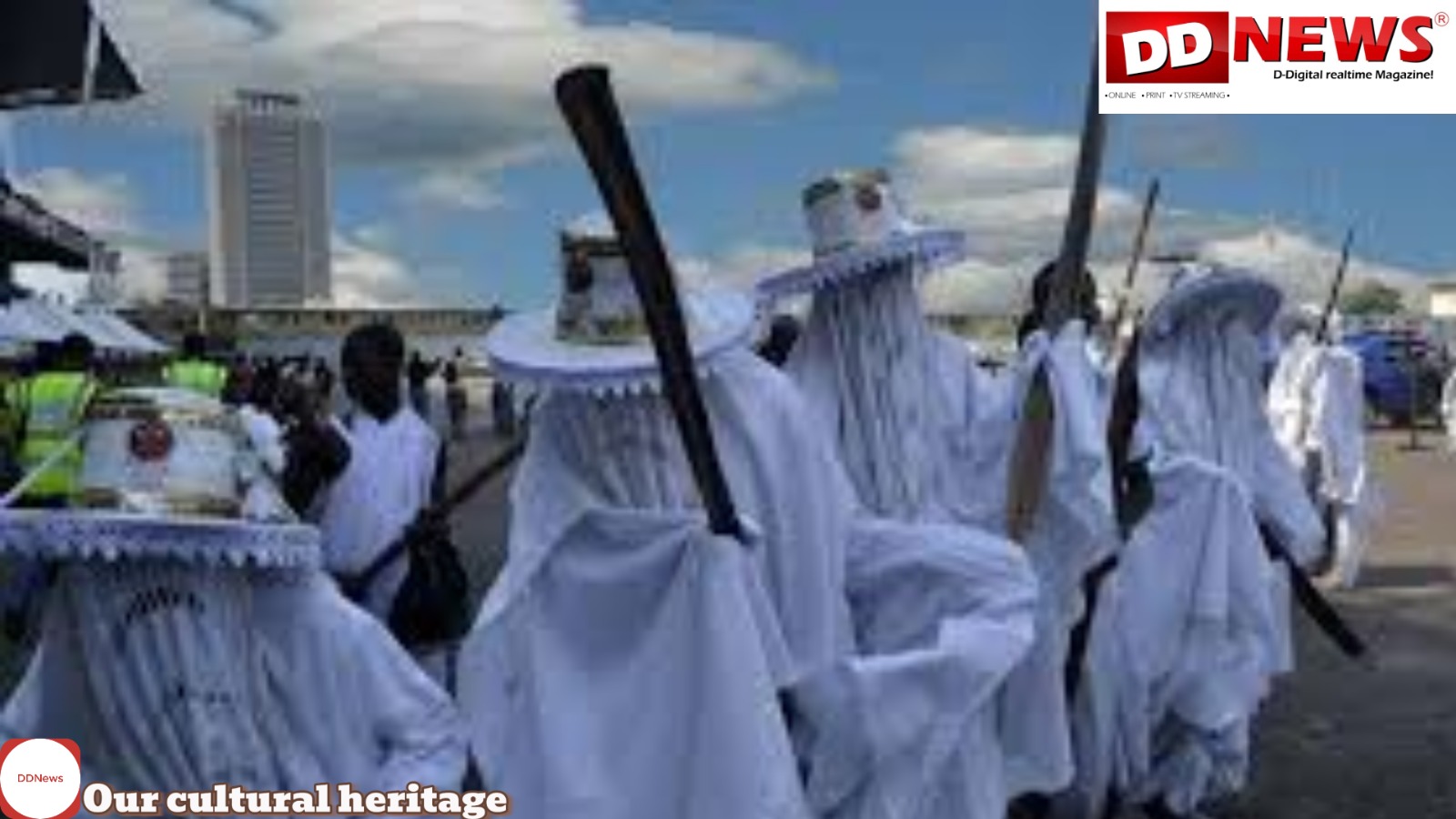
7.Be where the people are. Visit historical Awori, Ijebu, Eko, and Egun settlements, support local cultural centers, and engage with Eyo festivals, Oro traditions, and heritage sites like the Badagry Slave Route and Iga Idunganran.
8.Support Lagos indigene businesses. Buy from indigenous artisans. From beadwork to fabric weaving, Awori, Egun, Eko, and Ijebu craftsmen have traditions that deserve to be preserved.
Manage Your Business Digitally With D-Degree Digital Hub Today Visit D-Degree Digital Hub
9.Invite an elder or traditional leader to open major events. Acknowledge the Awori, Egun, Eko, or Ijebu communities whose land you are on. Provide appropriate honorariums to show respect.
10.Understand that Lagos State is diverse. Indigenous Lagosians are not just Awori — there are Egun, Eko, Ijebu, and other groups with distinct traditions. Recognize their differences.
Follow Us On Youtube
11.Don’t assume all Lagos State indigenes are wealthy because of commerce. Many indigenous communities have faced displacement by development projects and economic shifts.
12.When recognizing people, do not exclude Lagos State indigenes. Indigenous Lagosians are often left out of conversations about Lagos’ success. Acknowledge them when discussing the city’s history, economy, and contributions.
Share Your Opinion With Us @ddnewsonline
13.Don’t expect every cultural custom to be explained to you. At a traditional event, observe and respect rather than demand explanations. Some practices are sacred.
14.Be thoughtful about time. Traditional gatherings may not run on rigid schedules. Respect the flow instead of imposing external expectations.
15.Be sensitive during mealtimes. In many Lagos (Yoruba) traditions, elders eat first, and younger people serve them. Observe the customs at cultural events.
Subscribe To The Best Team In Conservative, Business, Technology, Lifestyle And Digital News Realtime! support@ddnewsonline.com
16.Don’t call traditional outfits “costumes.” Whether it’s Aso Oke, Fila, Dansiki, or Egungun regalia, traditional clothing holds deep cultural and personal significance.
17.Do not assume Lagosians have high rates of social vices. Stereotypes about Lagos indigenes are misleading. Their history is far richer than media portrayals often suggest.
18.Do not tokenize people. Lagos indigenes should not be included just for the sake of “diversity.” Build genuine relationships instead of using them for optics.
19.Ensure the voices of Lagos Indigenes are amplified. If Lagos’ history is being discussed, Awori, Egun, Eko, Ijebu, and other indigenous voices should lead the conversation.
20.Don’t bring up migration theories that erase indigenous identity. Recognize the rightful and deep-rooted presence of Awori, Egun, Eko, Ijebu, and other native peoples.
Subscribe To The Best Team In Conservative, Business, Technology, Lifestyle And Digital News Realtime! support@ddnewsonline.com
21.Check your Nigerian privilege if you are not indigenous to Lagos. Just because Lagos is welcoming does not mean non-indigenes should feel entitled without respecting the people who have always been here.
22.Use the present tense when talking about indigenous Lagosians. Indigenes are still here — preserving traditions, shaping modern Lagos, and influencing its future.
By Prince Gbenga Ajiboye ( Baba Awori)
from the Ikudigbaro Royal Family, Ete Kingdom, Lagos, Nigeria. and Prince Adeniyi Baruwa from Aromire, Oluwa and Akinsemoyin Royals houses, Lagos, Nigeria.