
The Independent National Electoral Commission (INEC) has confirmed that it has finalised and internally approved the timetable and schedule of activities for the 2027 general elections, assuring Nigerians of its full readiness regardless of the ongoing delay in the passage of the Electoral Act (Amendment) Bill currently before the National Assembly.
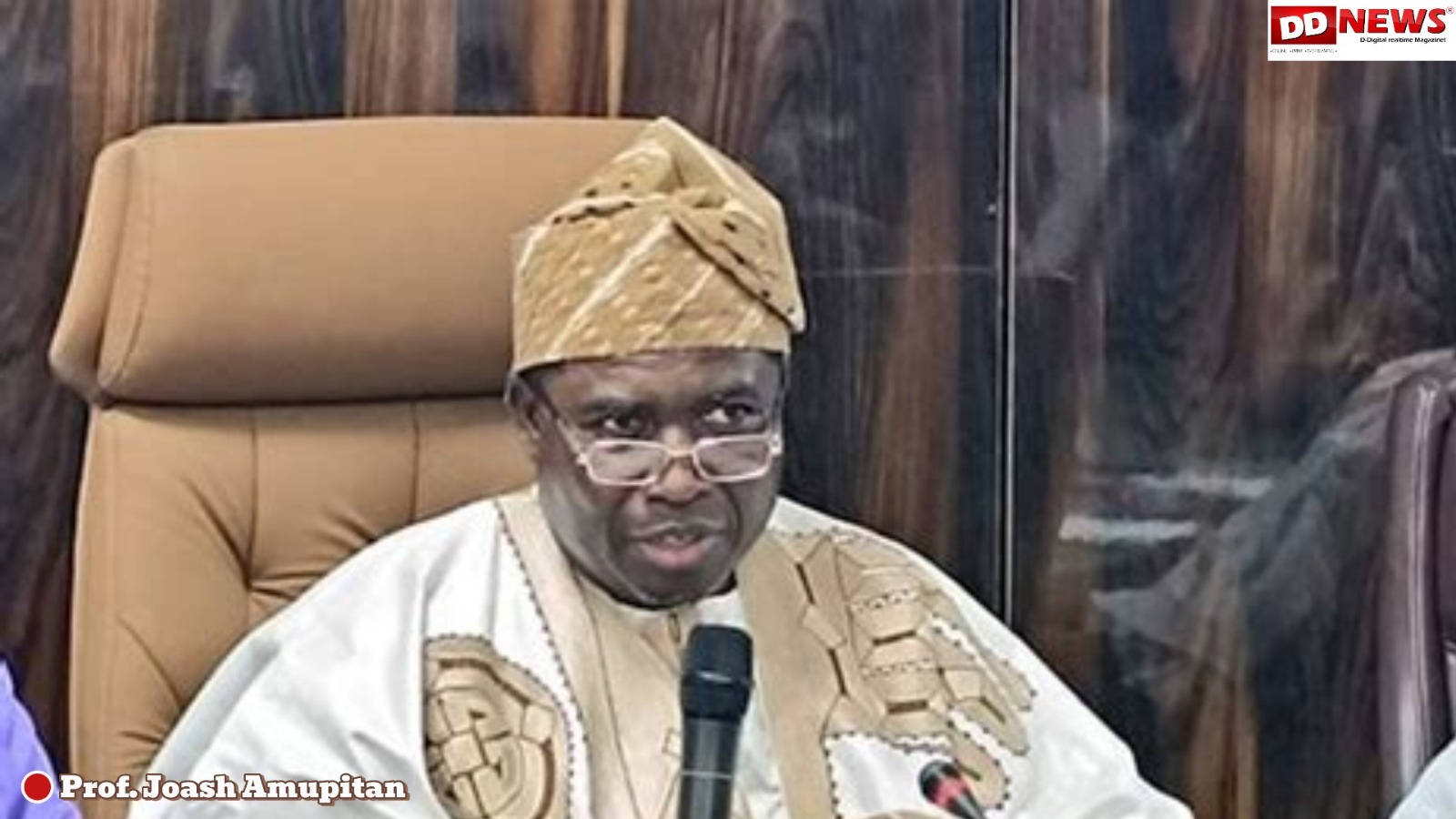
INEC Chairman Prof. Joash Amupitan made the disclosure on Thursday, February 4, 2026, during a meeting with stakeholders at the commission’s headquarters in Abuja.
Key highlights from Prof. Joash Amupitan’s briefing:
The 2027 timetable has been completed and is ready for public release once the commission finalises internal consultations and security clearance.
INEC is proceeding with preparations under the existing Electoral Act 2022, which remains the operative law until any amendment is assented to by the President.
Critical timelines including political party primaries, campaign periods, voter registration updates, and collation of results have been mapped out to align with constitutional deadlines.
The commission has already begun procurement of election materials, training of ad-hoc staff, and deployment of additional BVAS machines and IReV infrastructure to improve result transmission.

Subscribe To The Best Team In Conservative, Business, Technology, Lifestyle And Digital News Realtime! support@ddnewsonline.com
Prof. Joash Amupitan addressed concerns over the delayed passage of the Electoral Act amendment (which includes mandatory real-time electronic transmission of results from polling units) saying: “We are not waiting for the National Assembly to finish. The law as it stands today gives us sufficient powers and framework to conduct free, fair, credible, and transparent elections in 2027. We are fully prepared and will not allow any delay in the legislature to affect our readiness.”
The Electoral Act (Amendment) Bill, which passed second reading in both chambers late last year, has faced prolonged debate and committee work in the Senate and House of Representatives. Key provisions such as compulsory electronic transmission, diaspora voting, and early preparation timelines remain contentious.
Stakeholders have expressed mixed reactions:
Civil society groups welcomed INEC’s proactive stance but urged speedy passage of the amendment to strengthen transparency.
Opposition parties (PDP, LP, ADC) accused the commission of “rushing” preparations under a flawed law, while the ruling APC described INEC’s assurance as “reassuring and responsible.”
The 2027 general elections are constitutionally scheduled for February–March 2027, with presidential and National Assembly polls expected on the same day, followed by governorship and state assembly elections two weeks later.
This is a developing story.
By Ogungbayi Beedee Adeyemi
Send tips to: adeyemi@ddnewsonline.com | 08168555497