
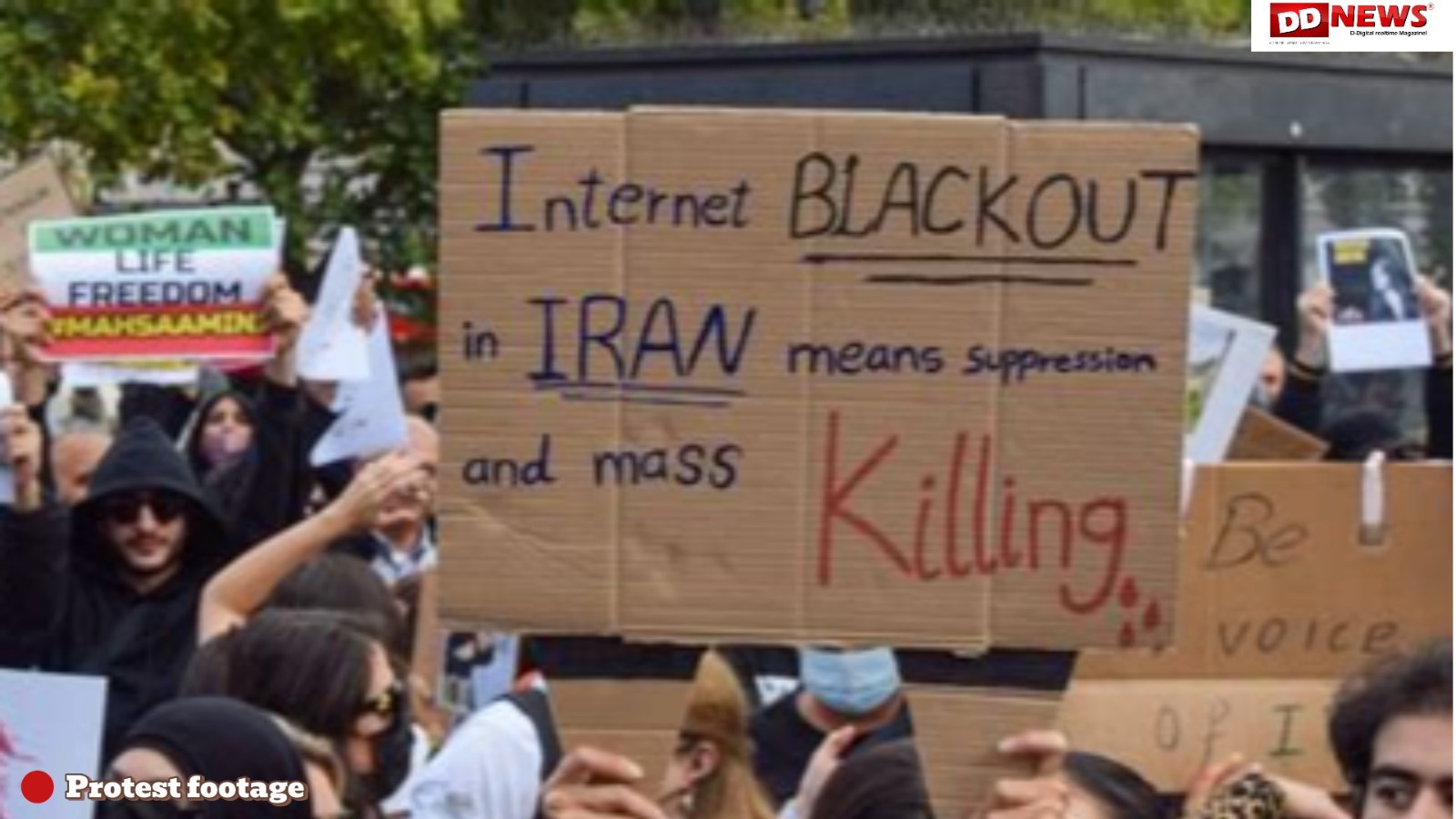
A near-total communication blackout imposed by the Iranian government has severely limited independent verification of the scale and brutality of the ongoing crackdown on anti-government protests that erupted in mid-December 2025.
As of January 30, 2026, Iranian authorities maintain the official death toll stands at 3,117 people killed since the protests began. However, multiple human rights organizations, exile groups, and independent monitors describe this figure as a vast underestimate, with credible estimates ranging from 8,000 to over 15,000 deaths when including unreported killings, deaths in custody, and those missing and presumed dead.
Nationwide internet restrictions, repeated mobile network blackouts, and throttling of VPNs and satellite internet (e.g., Starlink) have been in place for weeks, making real-time documentation nearly impossible.
Hundreds of reporters, bloggers, and social media activists have been detained; many face charges of “spreading propaganda against the state” or “collaboration with hostile governments.”
International correspondents face severe limitations on movement, access to hospitals, morgues, and protest sites; many have been expelled or forced to self-censor.

Subscribe To The Best Team In Conservative, Business, Technology, Lifestyle And Digital News Realtime! support@ddnewsonline.com
Families of victims are frequently threatened not to speak to media or post online; many funerals are held under heavy security or at night to prevent gatherings.
Iran Human Rights (IHR) (Norway-based): 12,400+ killed (as of Jan 28, 2026), including at least 580 children and 220 women, Human Rights Activists in Iran (HRA): Over 15,000 deaths, with more than 120,000 arrests.
Amnesty International: At least 8,000–10,000 confirmed killed, but warns the true toll is “significantly higher” due to under-reporting, Kurdistan Human Rights Network (KHRN) & Hengaw: Documented 2,800+ deaths in Kurdish-majority provinces alone, suggesting the national figure is far higher.
Iranian state media and officials continue to frame the protests as “foreign-orchestrated riots” involving “thugs” and “separatists,” while downplaying the scale of casualties and arrests. State television has shown footage of alleged confessions and trials of protesters, many of whom rights groups say were tortured into false admissions.
Meanwhile, leaked videos, smuggled footage, and testimonies from defectors and escaped detainees paint a picture of widespread extrajudicial killings, mass graves in several provinces, and systematic sexual violence in detention centres.
Subscribe To The Best Team In Conservative, Business, Technology, Lifestyle And Digital News Realtime! support@ddnewsonline.com
The blackout has also hindered humanitarian access, with reports of shortages of medical supplies, food, and fuel in heavily affected areas, particularly in Kurdish, Baloch, and Arab-majority regions.
International calls for an independent UN investigation have intensified, but Iran has so far rejected any external inquiry, labelling it “interference in internal affairs.”
By Ogungbayi Beedee Adeyemi
Send tips to: adeyemi@ddnewsonline.com | 08168555497
Backbiome is an advanced daily wellness supplement formulated to help support spinal comfort, reduce feelings of built-up tension, and promote freer, smoother movement throughout backbiome everyday life.