
The 1980 Moscow Olympics boycott led by the United States under President Jimmy Carter was a direct response to the Soviet Union’s invasion of Afghanistan in December 1979. Over 60 countries joined the U.S. in refusing to participate, making it the largest Olympic boycott in history. The Soviet-led counter-boycott of the 1984 Los Angeles Games followed, but the 1980 action was driven by Cold War geopolitics, strong U.S. leadership, and broad Western alignment against a clear military aggression.
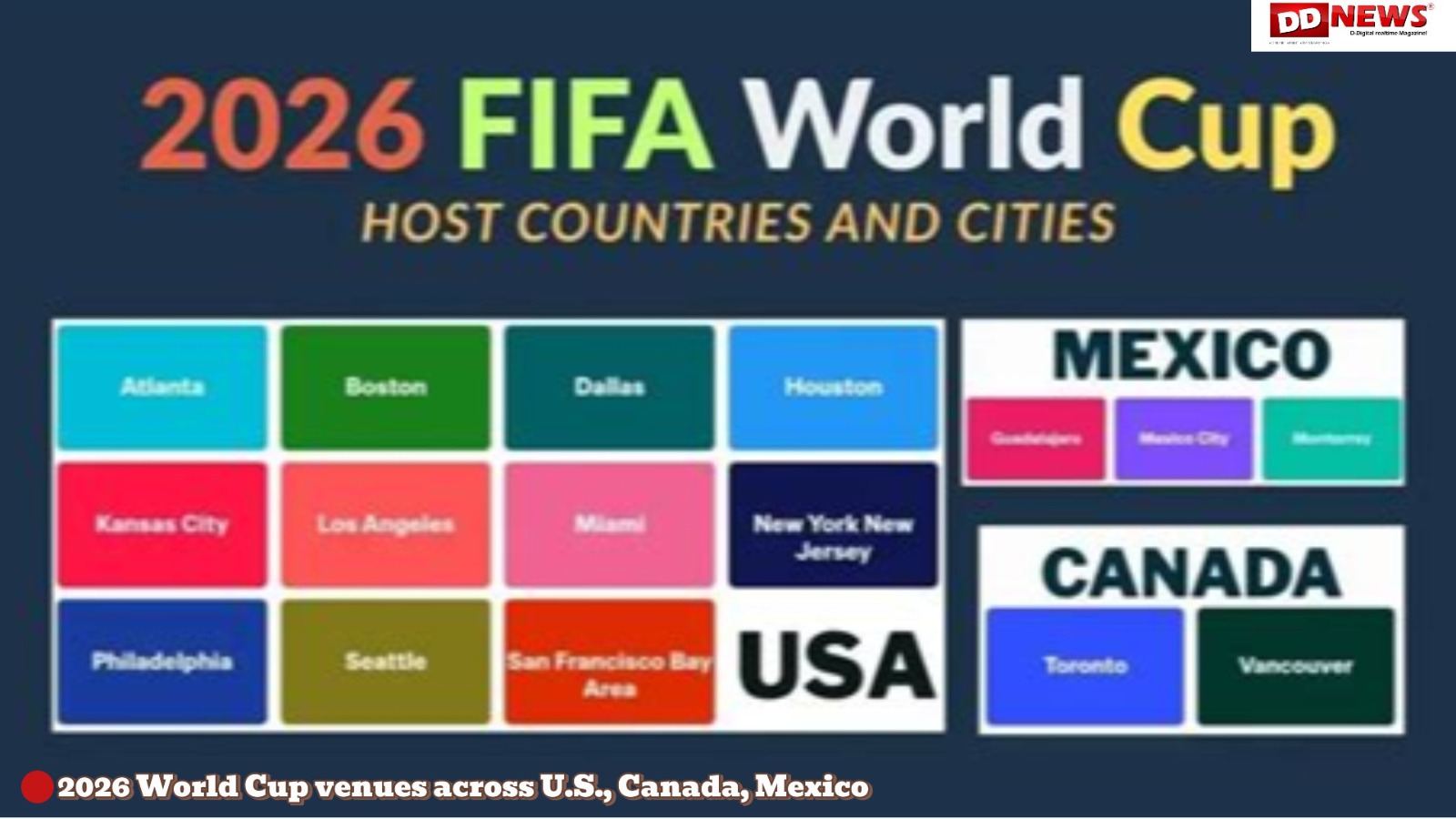
In contrast, the 2026 World Cup (co-hosted by the United States, Canada, and Mexico from June 11 to July 19) has seen some calls for boycotts or withdrawals, mostly from European voices, but these remain fringe, speculative, and unlikely to materialize into a meaningful, unified action. Here’s why a 1980-style repeat is improbable:
The 1980 boycott had a single, clear catalyst (Soviet invasion) and was orchestrated by the U.S. government with diplomatic pressure on allies.
Current discussions around 2026 stem from diffuse grievances: U.S. immigration enforcement (e.g., ICE incidents), threats over Greenland, travel restrictions on some qualifying nations, and general unease with U.S. policies under the Trump administration.
No major government (e.g., Germany, France, UK) has officially threatened withdrawal. Calls come from individual politicians (e.g., German MP Jürgen Hardt calling it a “last resort”), federation officials (e.g., German FA VP Oke Göttlich urging discussion), and former FIFA figures (e.g., Sepp Blatter supporting fan boycotts). These are opinions, not policy.
Subscribe To The Best Team In Conservative, Business, Technology, Lifestyle And Digital News Realtime! support@ddnewsonline.com
FIFA has invested billions and views 2026 as a massive commercial success (record ticket sales projected, global viewership expected in billions).
Co-hosts (USA, Canada, Mexico) are unlikely to self-sabotage. FIFA President Gianni Infantino has dismissed boycott talk as “noise.”
Unlike the IOC (which has less commercial power), FIFA controls qualification, scheduling, and revenue making coordinated withdrawal extremely difficult.
Massive financial & sporting costs: Withdrawing would forfeit qualification spots, prize money, sponsorships, and global exposure. Top teams (e.g., Germany, England, France) risk domestic backlash from fans and sponsors.
Fan vs. team boycott: Most current calls are for fans to stay away (e.g., petitions in the Netherlands with 140,000+ signatures, Sepp Blatter urging people not to travel to the U.S.). This might reduce attendance/revenue but won’t stop the tournament.
No broad alignment: European federations have discussed informally, but leaders (e.g., French FA president Philippe Diallo) have rejected boycotts. Polls show public support in some countries (e.g., ~47% in Germany under certain conditions), but not enough to force federation action.
Subscribe To The Best Team In Conservative, Business, Technology, Lifestyle And Digital News Realtime! support@ddnewsonline.com
Historical precedent shows boycotts rarely succeed: The 1980 boycott weakened the Moscow Games but didn’t end the Afghan war. The Soviet counter-boycott of 1984 was smaller and less impactful.
No national federation has withdrawn or threatened official boycott Calls remain speculative and from non-decision-makers (politicians, former officials, club presidents).
FIFA is proceeding full-steam: qualifiers are ongoing, venues are ready, and ticket sales are strong, analysts (e.g., in The Athletic, The Guardian, Washington Post) describe a full team boycott as “fanciful,” “unlikely,” and “extraordinarily low” probability.
In short: While political tensions and boycott chatter exist, nothing matches the scale, coordination, or government backing of 1980. The 2026 World Cup will almost certainly go ahead with full participation from qualified nations.
By Ogungbayi Beedee
Send tips to: adeyemi@ddnewsonline.com | 08168555497
وی اپلاید،
ترکیبی پیشرفته از پروتئین وی کنسانتره، ایزوله و هیدرولیز شده است.
فیتنس مکمل، منبع بهترین مکمل های اروجینال برای افرادی است که به سلامت و زیبای اندام خود، و کیفیت و اصالت مکمل ورزشی اهمیت میدهند.
کراتین بلید اسپورت، با درجه خلوص دارویی تولید میشود.
پروتئین وی بلید اسپرت، به دلیل سرعت جذب بالا و پروفایل کامل آمینو اسیدی، پادشاه پروتئینها لقب گرفته است.
وی الایت دایماتیز، یک پروتئین ترکیبی هوشمند است.
وی ایزوله بلید اسپرت، محصول کمپانی Blade Sport مجارستان است که با استفاده از تکنولوژیهای پیشرفته فیلتراسیون تولید شده است.
کراتین هیدروکلراید کیجد، یک فرم پیشرفته و مهندسیشده از مکمل کراتین است.
مس گینر ماسل مکس بلید اسپرت، یک مکمل افزایش وزن و حجمدهنده پیشرفته با فرمولاسیون اروپایی (ساخت مجارستان) است.
پروتئین وی امپایر وایکینگ فورس، ریشه در سوئد دارد، کشوری که استانداردهای کنترل کیفیتش در صنایع غذایی و مکمل، زبانزد عام و خاص است.
پروتئین وی بد اس، یک مکمل پروتئینی با کیفیت بالا است که از شیر بهدست میآید
مولتی ویتامین پلاتینیوم ماسل تک، یک مکمل غذایی باکیفیت است که به طور خاص برای ورزشکاران و افرادی که به دنبال بهبود عملکرد ورزشی خود هستند طراحی شده است.
پروتئین وی گالوانایز، یک مکمل غذایی محبوب در بین ورزشکاران و افرادی است که به دنبال افزایش مصرف پروتئین خود هستند.
کراتین مونوهیدرات موتانت، یکی از خالصترین و باکیفیتترین مکملهای افزایش قدرت و حجم در دنیاست.
کراتین مونوهیدرات گالوانایز، یکی از محبوبترین و مورد مطالعهترین مکملهای ورزشی در جهان است.
مس گینر گالوانایز، یکی از بهترین گزینههای شماست اگر دنبال یک مکمل قوی برای افزایش میزان ماسه و تقویت عضلات هستید.
مس گینر بد اس، یک مکمل غذایی قدرتمند است که به طور خاص برای ورزشکاران و افرادی که به دنبال افزایش حجم عضلانی و قدرت بدنی هستند، طراحی شده است.
مس گینر روولوشن ماسل اسپرت، یک سیستم کامل برای افزایش کالری دریافتی و پشتیبانی از ریکاوری عضلانی است.
وی ایزوله ماسل کور، قلهی تکنولوژی فرآوری پروتئین وی است.
وی ایزوله اپتیموم نوتریشن، را میتوان استاندارد طلایی و مهندسیشدهترین فرم پروتئین وی دانست.
پروتئین وی ایزوله آلمکس، نماینده نسل جدیدی از پروتئینهاست.
وی بادی بیلدینگ، یک مکمل پروتئینی ترکیبی و خوشنام است.
کراتین ناترند، با بالاترین استانداردهای کیفی اروپا تولید شده و خلوص آن تضمین شده است.
مس گینر ناترکس، در واقع یک فرمولاسیون پیشرفته و یک بمب کالری مهندسیشده است.
کراتین دایماتیز، یکی از خالصترین، اثباتشدهترین و معتبرترین مکملهای انرژیزا در دنیای بدنسازی حرفهای است.
وی اپلاید، ترکیبی پیشرفته از پروتئین وی کنسانتره، ایزوله و هیدرولیز است.
کراتین ترکیبی ماسل تک، یک مکمل کراتین بسیار محبوب و با کیفیت است.
وی دایماتیز، یک مکمل پروتئینی بسیار محبوب و با کیفیت است که برای ورزشکاران، بدنسازان و افرادی که به دنبال افزایش مصرف پروتئین روزانه خود هستند.
کراتین رول وان، از نوع میکرونایز شده است و ذرات آن بهقدری ریز شدهاند که جذب و انحلالپذیریشان به شکل چشمگیری بهتر از کراتینهای معمولی است.
کراتین اپلاید، یک کراتین مونوهیدرات میکرونایز شده است.
وی ماسل تک، به گونهای فرآوری شده که بسیاری از مواد ناخواسته مانند کربوهیدراتهای اضافی، چربی و لاکتوز را از بین میبرد.
وی ایزوله اپلاید، یک مکمل پروتئین وی ایزوله ۱۰۰% خالص است.
وی ایزوله سایتک، حاوی 100٪ پروتئین است که جذب سریعتری نسبت به وی معمولی دارد.
گینر ماسل اسپرت، یک سیستم کامل برای افزایش کالری دریافتی و پشتیبانی از ریکاوری عضلانی است.
کراتین مای پروتئین، یکی از محبوبترین و باکیفیتترین مکملهای ورزشی در سطح جهان است که توسط برند معتبر انگلیسی مای پروتئین تولید میشود.
وی مای پروتئین، مکملی پرفروش و باکیفیت است که با ترکیب ویژهای از پروتئینهای باکیفیت، اسیدهای آمینه شاخهدار و گلوتامین، برای حمایت از عملکرد ورزشی شما طراحی شده است.