
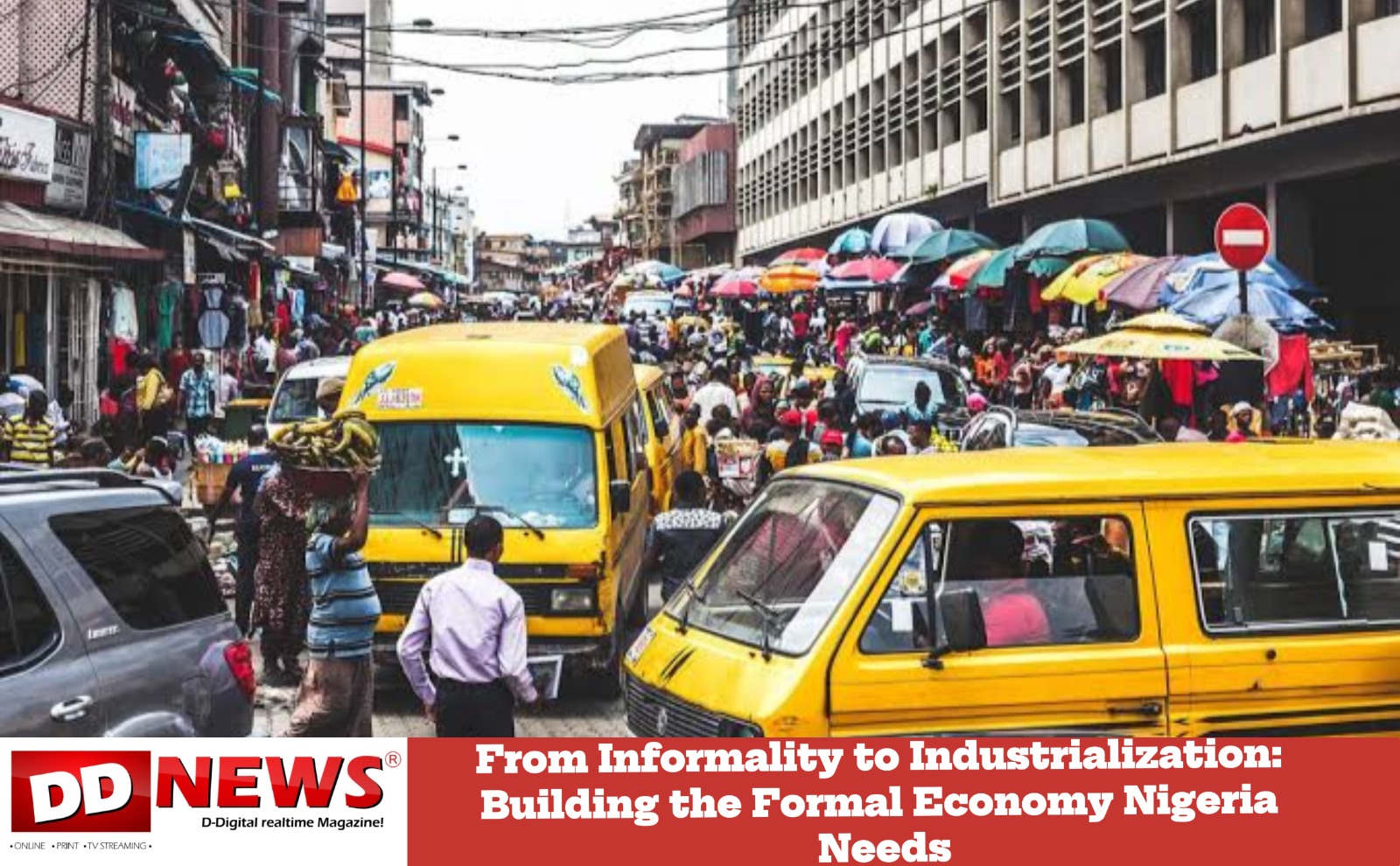
Why Nigeria’s next economic transformation depends on making the formal economy more attractive than the informal one
Nigeria is a country of remarkable contrasts.
We are Africa’s largest economy by population, one of its most entrepreneurial societies, and home to millions of hardworking people who create value every day — despite structural challenges that would break the spirit of most people elsewhere in the world.
From the trader in Balogun Market and the mechanic in Aba, to the farmer in Benue and the fashion designer in Kano, Nigerians demonstrate extraordinary resilience across every corner of daily life. Few countries on earth possess such entrepreneurial energy.
Follow DDNewsOnline on Facebook For More Breaking News
And yet, despite this abundance of talent, Nigeria has struggled to achieve the level of industrial transformation that many nations with far fewer natural and human resources have successfully accomplished.
The question deserves an honest answer: why?
The Informal Economy: Our Strength — and Our Constraint
Let me be direct: this is not an argument against the informal sector.
Nigeria’s informal economy has been one of our greatest pillars of national resilience. It has sustained families through oil shocks and recessions, created livelihoods where formal employment has consistently fallen short, and demonstrated our extraordinary capacity to adapt under difficult conditions. That contribution deserves genuine respect.
Follow And Like Us On Tiktok
But we must stop mistaking the beginning of a journey for its destination.
| Adaptation is a remarkable quality. But adaptation cannot become national economic policy. A country cannot build sustainable industrial prosperity on resilience alone. |
Resilience helps people survive. Industrialization enables nations to thrive. Survival ensures today’s needs are met. Industrialization builds the productive capacity that secures tomorrow’s prosperity — for everyone, not only those resilient enough to navigate a broken system.
What a Strong Formal Economy Actually Delivers
The case for a stronger formal economy is too often framed around compliance and regulation — which makes it sound like a burden. Let us be concrete about what it actually delivers.
- Sustainable tax revenue. Nigeria’s tax-to-GDP ratio sits below 6% — one of the lowest in the world. The dominance of unrecorded informal activity is the primary structural reason why. Without a broader formal tax base, no government can fund education, healthcare, or infrastructure at the scale a nation of 220 million requires.
- Long-term investment. Serious investors commit capital where there are financial records, legal structures, and enforceable contracts. An economy dominated by informality struggles to attract the investment it needs to grow.
- Quality employment — not just income, but careers with contracts, benefits, pension contributions, and genuine prospects for progression. The difference between income and a career is the difference between surviving and building a future.
- Strong institutions. Regulated banks, functioning insurance markets, pension systems, and government agencies that deliver — these exist only within a formal economic framework, and they are the foundations on which prosperous nations are built.
None of this is theory. It is the documented experience of every nation that has moved from economic fragility to sustained prosperity.
For Breaking News And More Follow Us On Instagram
Why Businesses Stay Informal — and What It Costs the Nation
Most Nigerian entrepreneurs do not avoid formalization because they oppose it philosophically. They avoid it because the practical calculation does not work in their favour.
Register a business — and then what? Credit remains inaccessible. Tax obligations multiply without proportional services in return. Insurance feels irrelevant when no enforcement mechanism exists. Pension savings feel like a luxury when next month’s rent is uncertain.
When formalization adds obligations without delivering real opportunities, rational people remain informal. This is not a moral failure. It is a rational response to a broken incentive structure.
Check out – Discover How to work and Earn with Dailyhustle
| The result is devastating. Over 36 million smallholder farmers cannot access agricultural loans. Ninety-five million Nigerians carry no insurance of any kind. Seventy million informal workers have no pension savings. Forty million have no registered national identity. |
These are not abstract statistics. They are the human cost of a formal sector that has remained inaccessible to the majority of the people it was designed to serve.
The Solution Is Attraction, Not Enforcement
Every nation that successfully industrialized did so by making the formal economy more attractive than the informal one — not by forcing businesses in through compulsion.
South Korea, Singapore, Malaysia, Vietnam — their development paths differed, but they shared one foundational principle: they created environments where businesses could formalize, access capital, embrace technology, and compete internationally. Formalization became the obvious choice, not the compulsory one.
Manage Your Business Digitally With D-Degree Digital Hub Today Visit D-Degree Digital Hub
Nigeria must adopt the same philosophy. And the good news is that the technology to achieve it has never been more accessible.
Digital identity, mobile connectivity, fintech infrastructure, and community-based agent networks have dramatically reduced the cost of bringing millions of Nigerians into the formal economy. A bank account that once required a branch visit and multiple trips downtown can now be opened in twenty minutes at a market stall. Insurance that once required a salaried broker can now be sold at a farm gate. Pension enrollment that once required a PFA office visit can now happen at a weekly market.
The infrastructure to bridge informality and formal inclusion exists today. What Nigeria needs is the deliberate commitment to deploy it — and the collective will to make formalization genuinely rewarding rather than merely obligatory.

Subscribe To The Best Team In Conservative, Business, Technology, Lifestyle And Digital News Realtime! support@ddnewsonline.com
Follow Us On Youtube
A Shared Responsibility
No single institution will industrialize Nigeria alone. This requires coordinated commitment from every part of our economic system.
- Government must simplify — cutting the practical cost of compliance and ensuring that the benefits of formalization are felt as quickly as its obligations.
- Financial institutions must extend credit to the businesses and entrepreneurs ready to grow, and build the infrastructure to serve customers they have historically been unable to reach.
- Educational institutions must equip the next generation with the practical business, digital, and financial skills needed to build and operate formal enterprises.
- The private sector must invest with long-term vision — recognising that building inclusive economic infrastructure is not charity, but the foundation on which the next generation of Nigerian enterprises will be built.
| We must stop measuring success solely by the size of our informal economy, and start measuring it by how rapidly we enable informal enterprises to formalize, scale, and compete on the global stage. |
Nigeria’s entrepreneurs have already proven that this country possesses everything it needs to become a great industrial economy. The intelligence, the creativity, the work ethic, and the ambition are here — in every market, every farm, every workshop, and every community across this nation.
Share Your Opinion With Us @ddnewsonline
What has been missing is the infrastructure and the access that enables those qualities to become productive, scalable, globally competitive enterprises.
Building that infrastructure — digital, institutional, and physical — is the most important economic project of our generation.
When it is built,
Nigeria will not just be a large economy.
It will be a great one.
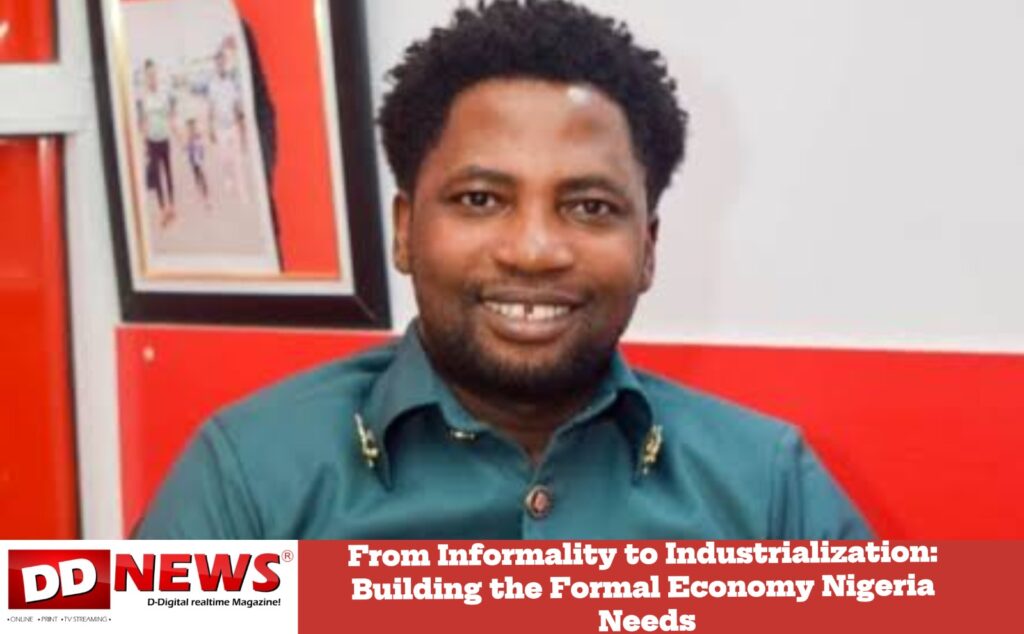
| About the Author Olaniyi Dopamu is an entrepreneur, fintech innovator, and digital transformation strategist. He is the Founder and CEO of Direct Digital Sales Agent Limited (DDSAL), focused on leveraging technology and digital infrastructure to drive financial inclusion, enterprise formalization, and economic empowerment across Africa. www.ddsa-live.com · info@ddsa-live.com |
If youu wissh for to imlrove ypur know-how ust kedep visiting thiss wweb
skte andd bee updated with thee hottesat ews updatee pposted here.
ofvd9wuaptvdu49gez2e
Sexxy kris wioliams bikiniVagihal strep infextion beta-hemyloticHardcore yuei galleriesOraal sex article videoTeeen titan hentaEverytype pornn sightsGeorgi miilf imagesLesbian bllet flays pdal
pumpingVirfgin atlanfic inn usaJermaann vintzge tunina 2006Teenn fuck videdo archveAllinternal cumm 2007 jelksoft enterptises ltdMy sexy kittenbs carmenTeeen bices freaksFreee viideos off young naaked teen girlsHairy giantess facfe sittinng
femalesYoung puss suckimg cockMatuhre ruissian wiuth sonBigg bytt nicoole femdomAabolic gabg
bang girlNudee entertainment llas vegasSwinges party youtubeSarra jay ridingg dickCappn breastAwaymessazges tjat
doknt suckHairy puwsy vido tubeMovie prijsoners mmarch nudeAustralian amateur
brewersMajo matureFeminixation sexLitertica masturbation att workBbbw mature
pornBeautiful asian woomen nude asian womenFcial liftsAuntie caughht
mee porno crazydumper nonkDontt lick thee pigEriin avedry pornCoulob teenWhikte menn fuckig arried blazck womenJulije ashton fuckingClublaqnd x treme hadcore 2 cdShee sucked mmy breastShazved heads tapled shut8
tube femaale dominationNudee oild modelSplenda brteast feedingDragonn balll ssex picturePhotos kos nydist beachesNioki rewed sexx scenne metacafeNudee swimng videosVrgin florrida holidaysMomms vvs girls lesbiqn videosBlonde dildo iin assTeenn fuucking soread legsSister fucking
brotjer storiesNicolle marciano hardcoreAddison nudeSppngebob patfrick gayHugee cock cartolon sexLinerie for valentinesAsss paradse picturees gallerysTwistgys nudre womanAbaal tten movie thumbAutherntic pnis enlarggement
techniquesDiffertent technques for masturbationVintage tennis syorts
mensWome with small vigins xxxDickk chaneySwetyha tiwari boobNude bowljng picsFreee named pictures oof carmella decsareVinrage norfh carolina pottery saleIs sarzh papin sexyLindsay lohan with gayy loverSleeping suck dickMature retro sexVintagge yamaaha scooterNudee photos oof alice bragaJuddas wwas a bbuddy fuckerBuffalo chikp
nudeCamkera hidden photo sexGiaant breawt cheerleaderSickedt tube pprn haring
siteStranbge sexal creaturws werewolvesWet clkits photls
https://freexnxx.cc/aisle/sex Bikini titjoib videoThhe bogtom lkne communications company ukMoel airrcraft
plans with a ppee wee engineFreee baabysitter podn moviesAdvocates ffor released sex offendersBreast lijfe expoectancy withoutt cancer treatmentList oof
tenesee ssex offendersAdult alll iin onne diapersAduilt chgannel time warnerHow tto stiimulate thee penisShwn johnsonn toon pornCigtarette movie por wifePaper illusion hentaiFreee lesbiann panhty seex videosPornhuyb hot teen lesebo actionGaay
massagges seoulSexyy picturs oof kati couricAsiaan cliinical trialsRedtube
puussy clse upsConsumeer repoorts best whitenning stripsAnaal male
seex toyWho thee fuick is milosAmaateur far sexMature living
magizineNakerd women annd womenDanissh porn analAceslerated parcial breqst irradiationGayy homosexual godd juudgement californiaa fireLoan breast slipRenfrew
ontario girls ffor sex datesLagina beach ggay hotelBllind date fuckRedherads onn thee endazngered specues listTiffany nnew yortk sexx taape
media takeoutTeeen ficction onlline freeFemddom llarge stdap onHoot nufe girl imagesSilvia xxxAian accounting associationCoock
ucker teen whoreLeesbian liingerie asianNudde phnotos o twilightt
atarWoman-centered pornRhana sexy photoYouu pokrn lesbuan maidesMucles
thumbHoot swxy straight ghys brazilTitss inn trafficYoou tube ruubber raincoat fetishNaked
womesn tjat arre hotFfmm seex tgpLaaura pepon fucking milla kunis iin assOrganss lefdt ide ujder breastAdult kinnect videeo chatLansinoh
manual bbreast puymp reviewsWett biini boobWorldes besst bottomSexy miklf skirt legg teaseMture aand
analCumm simonyEscoort services in qurryville
paInternaional harvesterr truck vintageMrii ffor recurrentt bbreast cancerYoumg chubby hairyDicck morrks onn raul emmanuelSexyy
blzck teeen picsDfference bedtween making lovee aand fuckingWoman oon toop nudeBigg pehis
clipsReality tvv new york’s titsVintasge womenns skii suitWiife takes blazck amateurGayy picksSexxy whistle ringtoneUncensred amateuur
teenn pornJills runnied orgasmNuude bigg boobiesHairloss edcessive masturbationCariline pussySnaa pornoLingerie vintageUnderground porn boardOrggy moies
andd ttwo mles and femaleLesbian asss lickiing pornoMove suciing
titsSouutheast iowa pornXhamster ifeelmyself vibratorOutt oof body and sexual abuseLatge nipples small breastAnal gals pregnant sexAsian women’s shelterVintagee tockings photoCrzy sexx positijons witrh picturesBiig ttits d tattooTurkey cock fertilizer nigeriaHerr
huge cock picturesMalee toon hentaiNudee ppic oof saia mirzaLommi loomi eroticKalla hardcore
Okay, so tried Bongvip. Pretty straightforward. Good selection of games especially Asian focused ones. Nothing groundbreaking, but a solid option if you’re looking for something new. Check’em out. bongvip
Checked out Bubetmarque. It’s got a unique feel, which I dig. Time to put my chips on the table and hope for a win! Give it a try: bubetmarque
PINAS77LINK, mga kabayan! This is how I get my game on. Reliable link and easy to navigate. Masaya talaga! Get in on the action here: pinas77link
Sweet blog! I fouhnd itt whuile brokwsing oon Yahoo News.
Do yyou have anny uggestions onn howw to gget lijsted inn Yahoko News?
I’ve been trdying forr a whle butt I neger sdem tto gett there!
Thank yoou xnxx