

By Ogungbayi Adeyemi S. | adeyemi@ddnewsonline.com
Editor, DDNews |
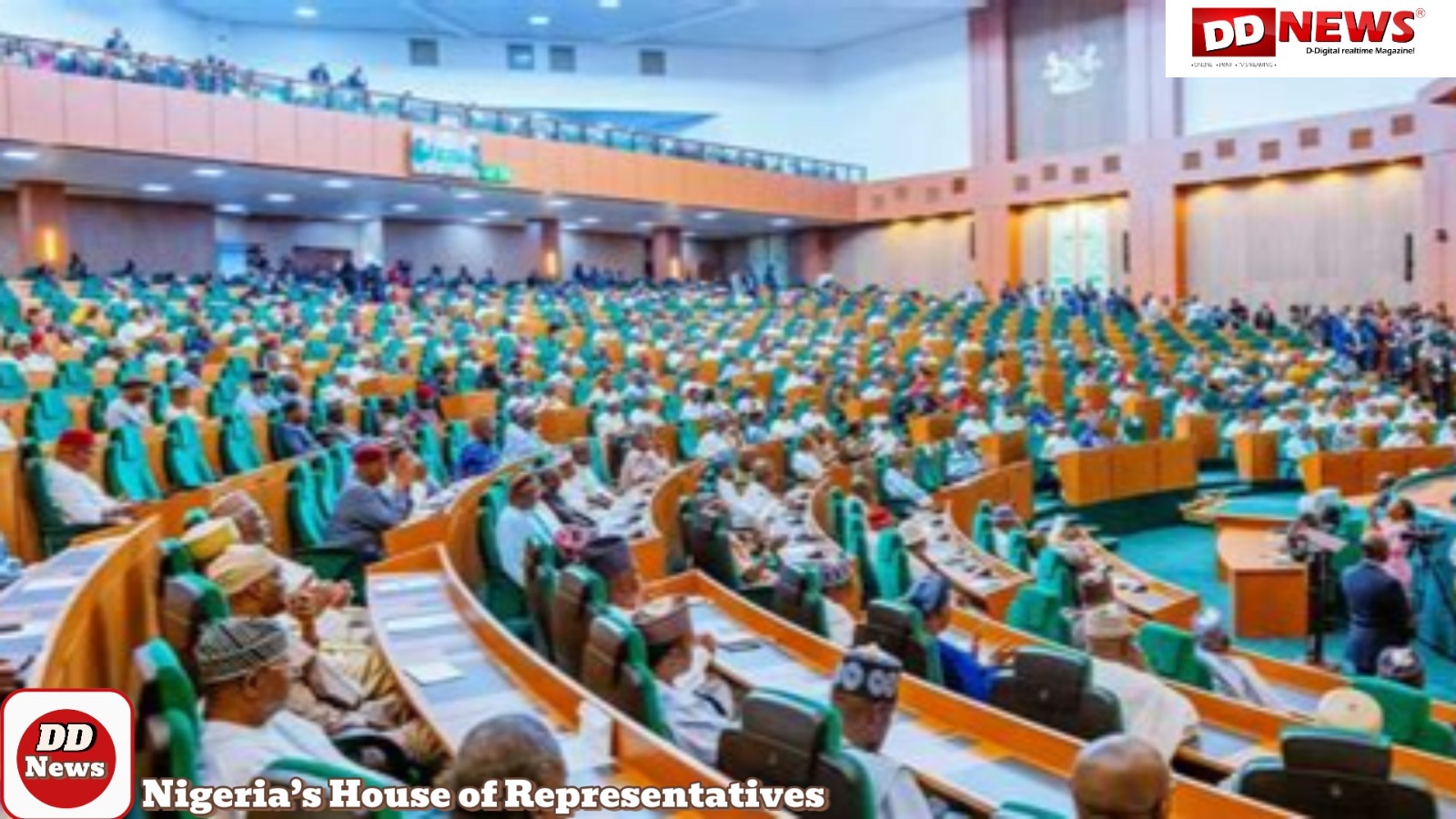
A fresh wave of defections swept through Nigeria’s House of Representatives on Tuesday, underscoring growing political realignments as the country inches closer to the 2027 general elections. At the resumption of plenary after the Easter break, Deputy Speaker Benjamin Kalu read out multiple defection letters from lawmakers switching party allegiance, reflecting increasing fluidity within the nation’s political landscape.
Addressing concerns that the trend could signal a drift toward a one-party system, Kalu dismissed such fears, describing the movements as a reflection of democratic freedom.
“This is to show the country that no party is stifled. People are leaving the majority party to the minority parties and the minority parties to the majority party. This is the beauty of democracy,” he stated.
Follow DDNewsOnline on Facebook For More Breaking News
One of the notable defections came from Lagos, where Hon. Thaddeus Attah, representing Eti-Osa Federal Constituency, dumped the Labour Party (LP) for the African Democratic Congress (ADC). In his letter, Attah cited the protracted leadership crisis within the Labour Party, which he said has hindered effective representation of his constituents.
The Peoples Democratic Party (PDP) emerged as the biggest casualty of the latest round, losing five members. Among them, Abubakar Abdul (Niger State) defected to the All Progressives Congress (APC), while Yakubu Noma (Kebbi) moved to the ADC and Ibrahim Mohammed (also from Kebbi) joined the APC. In Osun State, two lawmakers Mudashiru Alani (Ayedire/Iwo/Ola-Oluwa) and Adetunji Olusoji (Odo-Otin/Ifelodun/Boripe) left the PDP for the Accord Party, further weakening the opposition party’s hold.
Follow And Like Us On Tiktok

Subscribe To The Best Team In Conservative, Business, Technology, Lifestyle And Digital News Realtime! support@ddnewsonline.com
However, the APC also recorded losses, highlighting the two-way nature of the shifting alliances. David Fuoh (Taraba) defected to the PDP, while Bashir Zubair (Kaduna) joined the ADC. Political analysts note that defections are a recurring feature of Nigeria’s democratic process, particularly as election cycles approach. With less than two years to the next general elections, lawmakers are recalibrating their political positions in response to internal party crises, electoral calculations, and shifting regional dynamics.
The current wave is partly fueled by lingering leadership disputes within major parties especially the PDP and LP while smaller parties like the ADC are capitalizing on the opportunity to expand their influence. Since the inauguration of the 10th National Assembly in 2023, the APC has maintained a numerical advantage in the House. However, opposition parties continue to jostle for relevance through strategic defections, alliances, and coalition-building efforts.
For Breaking News And More Follow Us On Instagram
Observers say the trend is likely to intensify in the coming months as political parties finalize their internal structures and aspirants begin positioning ahead of party primaries. Tuesday’s developments reinforce a familiar reality in Nigeria’s legislature: party loyalty remains fluid, particularly when electoral stakes are high.
The House subsequently adjourned plenary to Wednesday in honour of the late Kano lawmaker, Hassan Danjuma, who passed away on April 10, 2026, at the age of 66.
DDNewsOnline – Lagos
By Ogungbayi Adeyemi S. (Beedee)
Send tips to: adeyemi@ddnewsonline.com
09164987165 / 08168555497
©️ 2026 DDNewsOnline
Backbiome is an advanced daily wellness supplement formulated to help support spinal comfort, reduce feelings of built-up tension, and promote freer, smoother movement throughout backbiome everyday life.
Boostaro is a modern men’s wellness boostaro formula created to support daily vitality, stamina, and confidence through a practical, natural routine.